
Tankless electric water heater
instant electric water heaters
home /

instant electric water heaters

/

Don't Wait Until It Breaks: A Simple Maintenance Guide for Your Tankless Water Heater

Don't Wait Until It Breaks: A Simple Maintenance Guide for Your Tankless Water Heater

20 Jul 2026

Don't Wait Until It Breaks: A Simple Maintenance Guide for Your Tankless Water Heater


Most people treat a water heater like a light switch. It works, you ignore it.
Then one day, the water runs lukewarm. The pressure drops. The unit starts making noise.
By that point, the damage is already done — and the fix costs more than years of simple maintenance ever would.
A tankless electric water heater has no tank to rust out, but it does have mineral buildup, a filter that clogs, and a heating element that slowly loses efficiency.
Here is exactly what to do, how often, and why it's worth the twenty minutes.


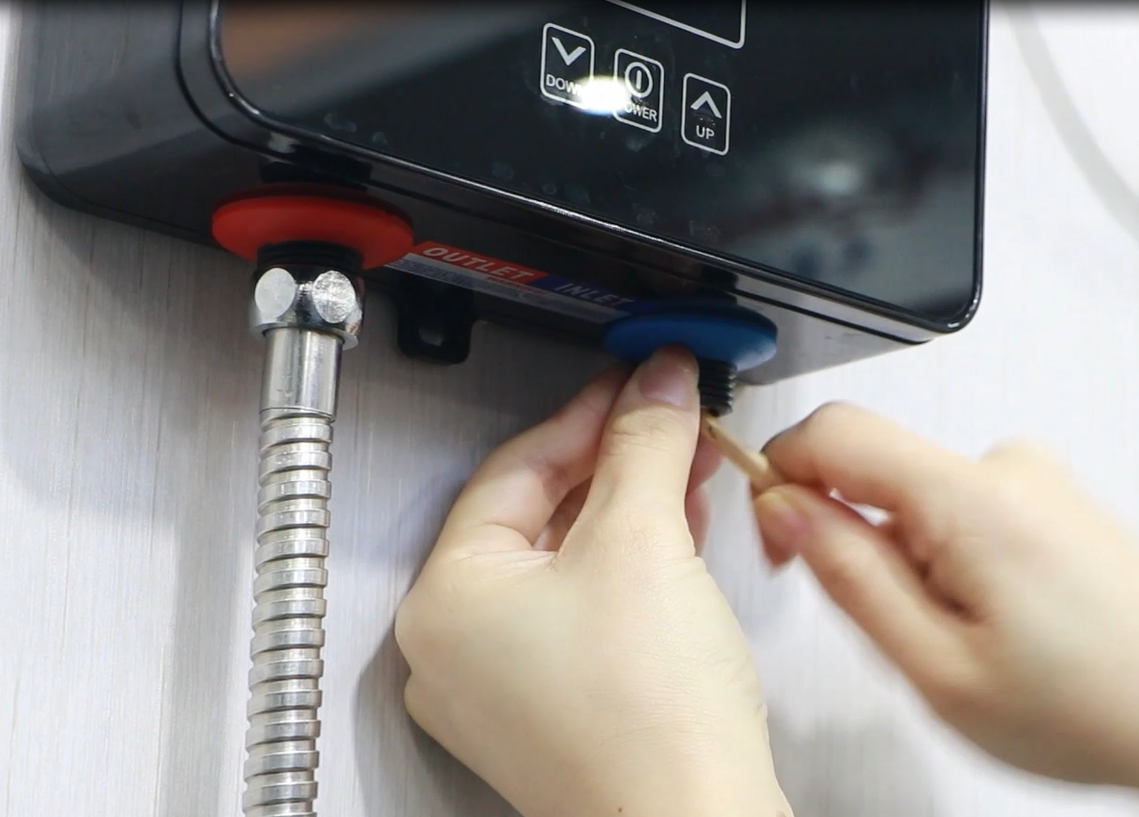
1. The Inlet Filter Is Your First Line of Defense

Every tankless unit has a small mesh screen where cold water enters. It catches sand, rust particles, and sediment before they reach the heating element.

This filter gets dirty faster than you think — especially in older buildings or areas with hard water.

How to clean it:

  • ·Turn off the water supply
  • ·Unscrew the inlet connection and pull out the filter
  • ·Rinse it under running water; use an old toothbrush for stubborn grit
  • ·Put it back and tighten the connection

How often: Every 3 months. More if your water has visible sediment.

A clogged filter mimics low water pressure. The heater won't activate, and you'll think it's broken when it's just dirty.

2. The Display and Controls Need a Quick Wipe

It sounds small, but moisture and dust on the control panel can cause erratic readings or button failure over time.

The digital display shows your temperature setting. If the screen gets cloudy or the touch panel stops responding, it's often just grime — not an electrical fault.

How to clean:

  • ·Use a slightly damp microfiber cloth
  • ·Wipe the LED display and control knob gently
  • ·Never spray water directly onto the unit — IPX4 means splash-resistant, not waterproof

How often: Monthly, or whenever you clean the bathroom.


3. Connections Loosen Over Time Water pipes vibrate. Temperature changes make metal expand and contract. Over months, threaded connections can work themselves slightly loose. A slow drip at the inlet or outlet wastes water and invites corrosion around the fittings. How to check: Run the heater and visually inspect every connection Look for moisture, drips, or white mineral residue around threads If you find a drip, turn off the water and tighten the fitting — one quarter-turn is usually enough Replace worn Teflon tape or rubber washers if tightening doesn't stop the leak How often: Every 6 months. Do it at the same time as your filter cleaning.


4. Store It Properly If You're Away

If you leave your home for more than a few weeks — especially in winter — don't just turn it off and walk away.

Standing water in the heating chamber can freeze in cold climates, cracking the internal pipes. Even in warm weather, stagnant water encourages bacterial growth.

How to winterize:

  • Turn off power at the breaker
  • Close the water supply valve
  • Open the hot water tap to drain remaining water from the pipes and the unit
  • Leave the tap open until you return

How often: Before any extended absence, especially in winter.


A Simple Annual Schedule

Task Frequency
Clean inlet filter Every 3 months
Wipe display and controls Monthly
Check all connections Every 6 months
Winterize if absent As needed

Twenty minutes, four times a year. That's all it takes to keep a tankless water heater running near factory condition for a decade or more.


Why Anlabeier Makes Maintenance Easier
Anlabeier tankless electric water heaters are built with components that reduce the maintenance burden from the start.
Backed by CE, CB, and RoHS certifications, every unit is tested to perform reliably — and when you do the small things, it repays you with years of steady hot water.
Conclusion
A tankless water heater doesn't ask for much.
Clean the filter.
Wipe the panel.
Check the connections. Winterize when you're away. That's basically it.
Ignore these things, and a perfectly good unit slowly degrades until you're convinced it's broken.
Do them, and the same heater will outlast your expectations — quietly, efficiently, day after day.


leave a message Leave a message
24 hour online service, welcome to contact us for more information at anytime!