A tankless water heater puts high-voltage electricity next to running water — inside your bathroom.
That sounds alarming.
It should be.
Unless the unit is built with real safety protection at every layer.
Here are the five safety checks that separate a trustworthy heater from a risk you don't want in your home.
Check 1: Is Water Completely Separated from Electricity?
This is the foundation. If water can reach a live wire, nothing else matters.
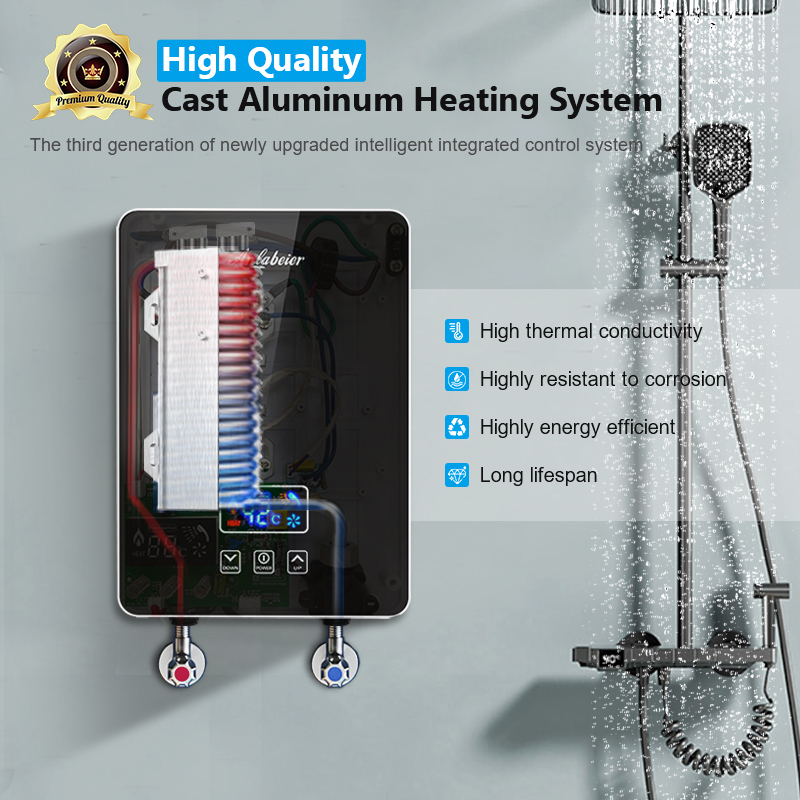
The safest design seals the heating wire inside a solid metal block — usually cast aluminum.
Stainless steel tubes also keep a strong physical barrier between water and current.
Cheap nichrome wire elements are often exposed directly to water. Over time, corrosion and scale eat through whatever thin coating was there.
Rule of thumb: if you can't confirm the heating element keeps water and electricity physically separated, walk away.
Check 2: Does It Have Real Leakage Protection?
A ground fault can happen in any electrical appliance near water.
A quality unit includes a built-in leakage circuit breaker or requires one in the installation.
Check 3: Will It Shut Off Before Overheating?
Water flow drops. A filter clogs. The heating element keeps burning.
Without overheat protection, the unit keeps heating until something melts or catches fire.
Good heaters have at least two layers here:
A thermal cut-off switch that kills power at a preset temperature
A flow sensor that stops heating the moment water flow stops
Dry-heating protection is non-negotiable. Ask for it.
Check 4: Can It Handle Your Local Water Pressure?
Pressure spikes happen. A pipe gets blocked, a valve closes too fast, and suddenly the heater faces double its rated pressure.
A quality unit includes a pressure relief valve or is built to withstand pressure well above normal operating range.
Cheap units skip this — and when they fail, the rupture can spray scalding water and expose live wiring.
Look for rated max pressure clearly marked. For most homes, 0.6 MPa or higher is a safe baseline.
Check 5: Has It Been Independently Tested?
Words on a box mean nothing without testing.
Look for third-party safety certifications:
CE (Europe)
CCC (China)
UL / ETL (North America)
CB Scheme (international)
A manufacturer that submits its products to independent labs is a manufacturer that stands behind its safety claims.
If the only safety claim is "built to high standards" with no certification mark, treat it as unverified.
What Happens When All Five Checks Pass
A heater with true water-electricity separation, leakage protection, overheat cutoff, pressure tolerance, and independent certification is built to protect your family — not just to pass a customs inspection.
That is the difference between "cheap enough to buy" and "safe enough to install in your home."
Why Anlabeier Builds Safety First
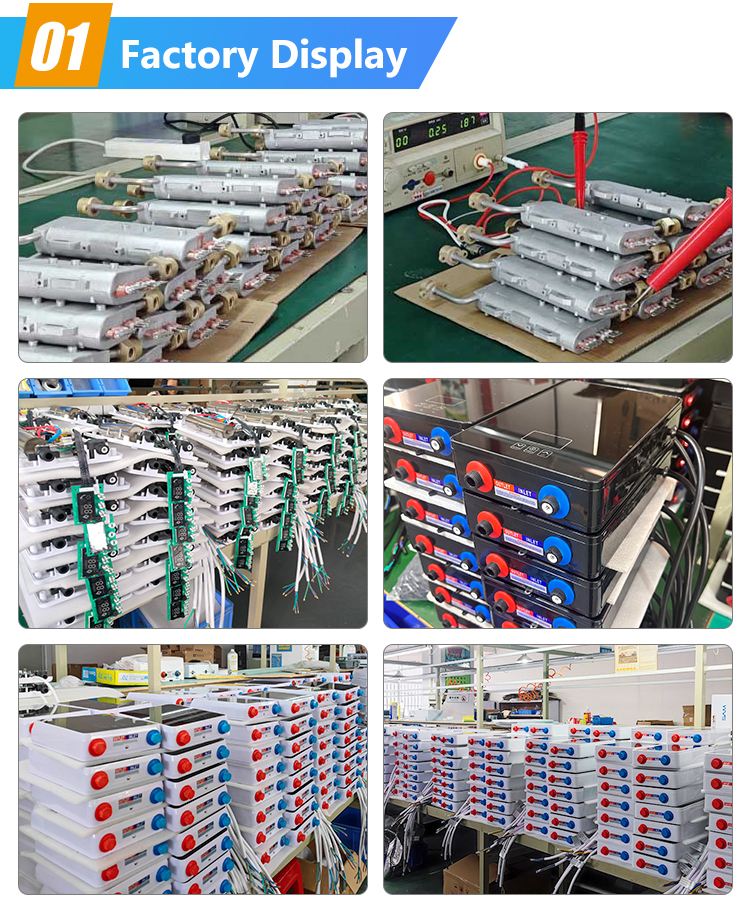
Anlabeier tankless electric water heaters are engineered around safety from the heating element up.
Cast aluminum and stainless steel elements seal the current inside a solid metal body. Multiple thermal cut-offs, flow-sensor protection, and dedicated grounding terminals work together at every layer.
The result is a heater that heats water — and nothing else.
Conclusion
Electricity and water don't have to be enemies.
They just need to be kept apart by design, not by luck.
Run these five checks on any tankless water heater you consider.
If it passes, you can install it with confidence. If it doesn't, no price is low enough.






 English
 español
 हिन्दी